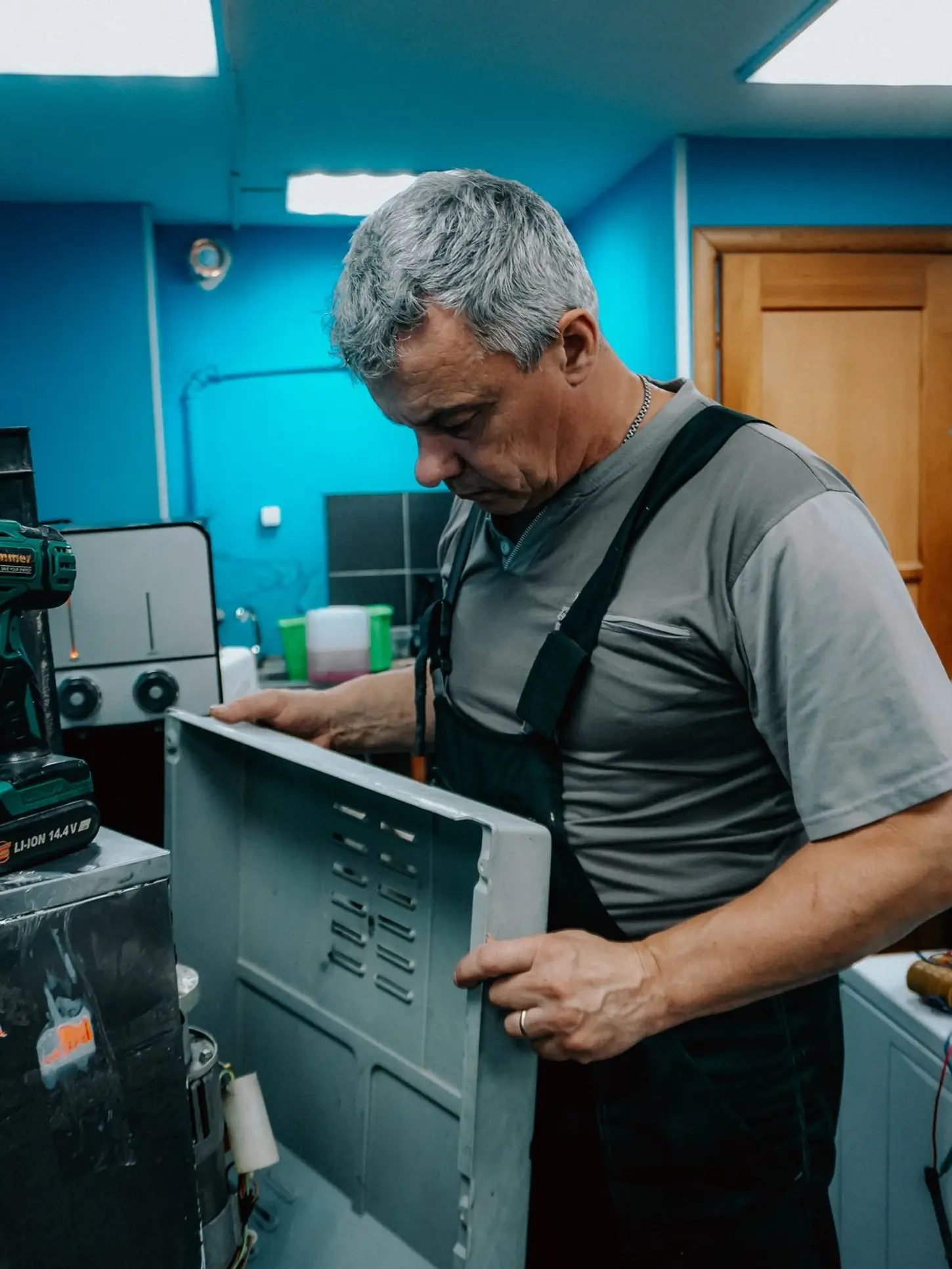
A washer that agitates but won't spin, or makes a squealing sound during the cycle, often points to a worn or slipped belt — a relatively contained repair once we confirm the belt, not the motor or bearing, is the cause.
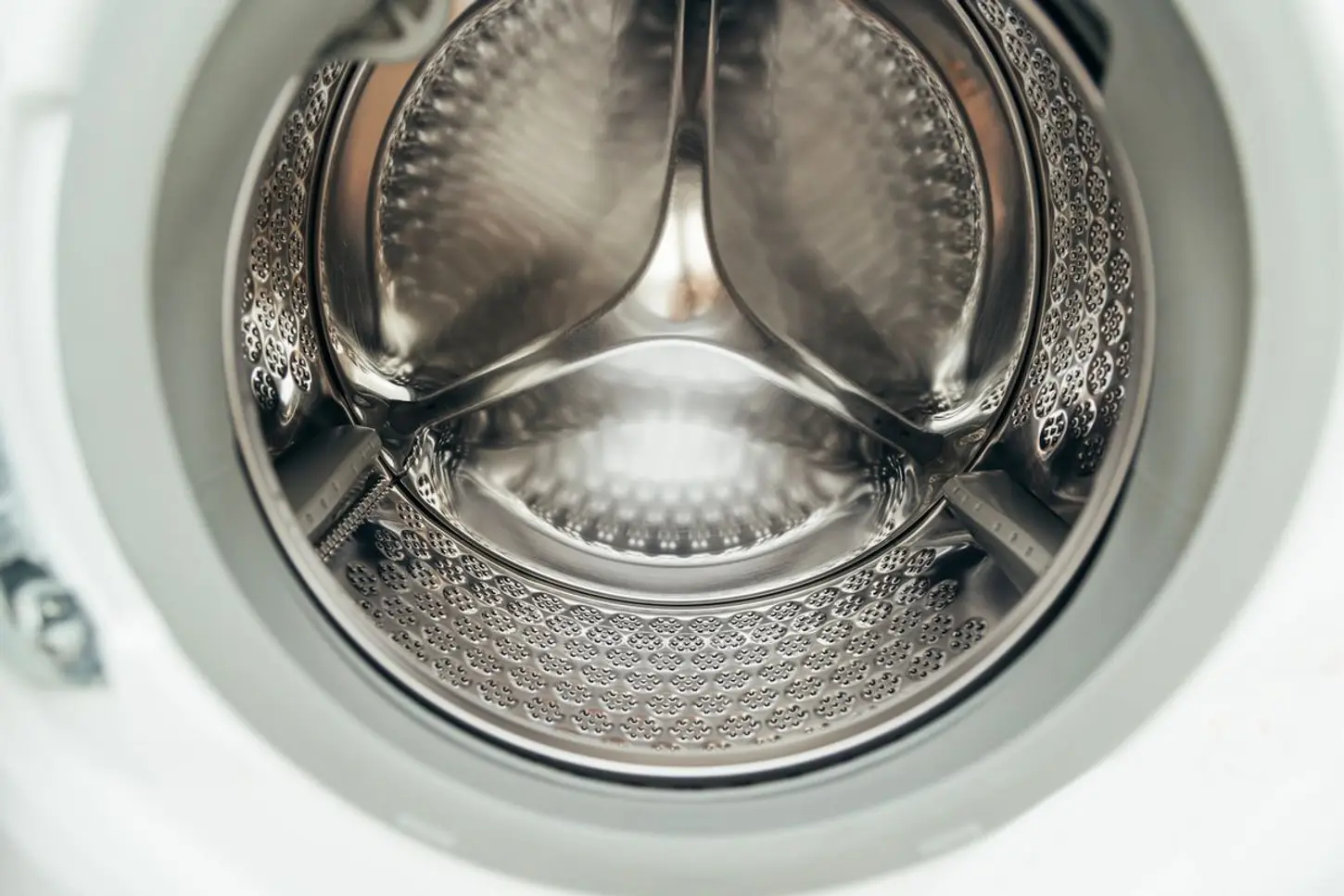
Belt wear tends to show up gradually: first a faint squeal during the spin cycle, then slower spin speeds, and eventually a washer that agitates normally but doesn't spin at all once the belt slips off or breaks. In Hawthorne's older bungalow-converted units, we also check that the machine sits level and stable in its closet, since a slight rock or tilt in an improvised laundry space can accelerate belt wear over time.
Confirming the belt itself — rather than assuming based on the noise alone — keeps us from replacing a part that isn't actually the problem.
Checking for cracking, glazing, or slack in the belt.
Confirming the motor and drum pulleys are properly aligned.
Checking that the washer sits level and stable in its space.
Ruling out a motor issue before confirming the belt is the fix.
A belt that's starting to glaze or crack will keep degrading with use, and a fully slipped or snapped belt means the drum can't spin at all — leaving clothes soaked at the end of a cycle. Catching the squeal early, rather than continuing to run loads, usually keeps this a straightforward and contained repair.

Call Portland Washer Repair to schedule a same-day or next-day belt diagnostic visit.
(888) 555-0123