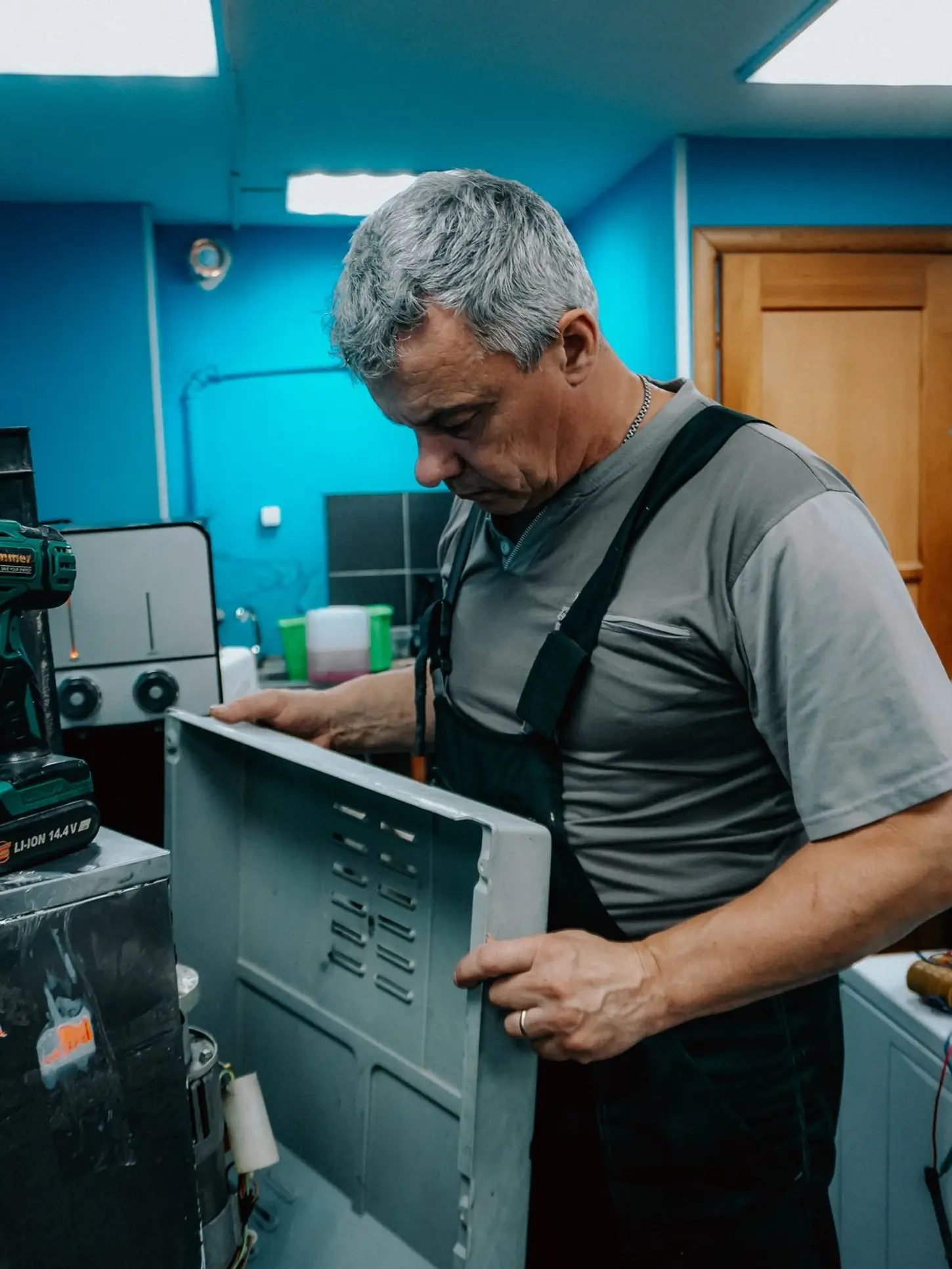
A washer that hums but won't spin, or won't power on at all, often points to a motor or motor-control issue rather than something simpler — and in Hawthorne's older buildings, aging house wiring is worth ruling out first before assuming the motor itself has failed.
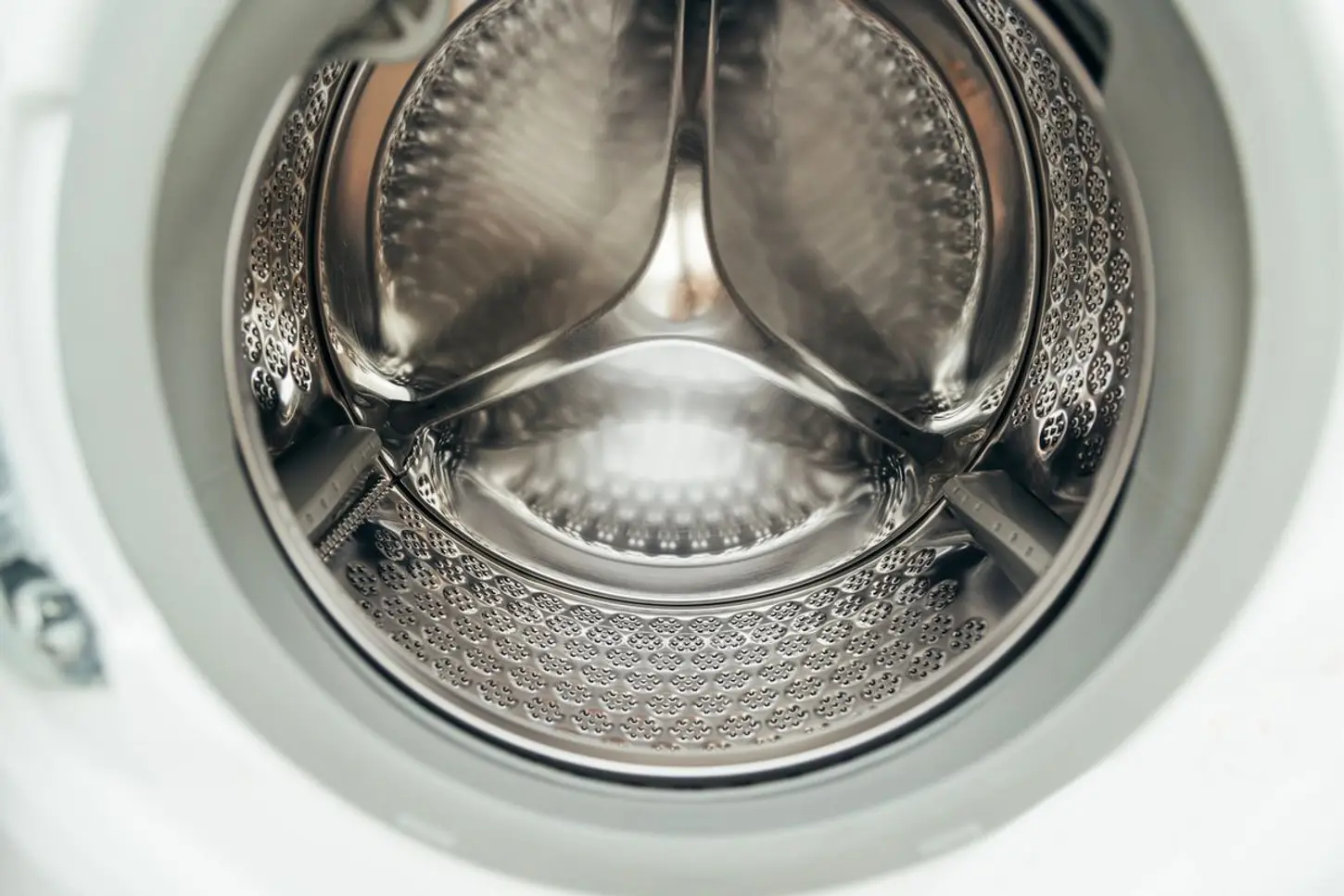
Motor problems in Hawthorne washers usually show up in one of two ways: the machine tries to start but hums or trips a breaker, or it's dead silent when you press start. Before we ever touch the motor itself, we check the power supply and control board — a step that matters more than usual in Hawthorne's early-1900s buildings, where circuits weren't designed for the electrical load of a modern washer and older outlets or breakers are a more common contributing factor than in newer construction.
Once power delivery checks out, we test the motor, the drive coupling, and the motor-control board to isolate exactly what's failing. That sequence keeps us from replacing a motor that was never actually the problem.
Checking building-side power delivery, common in older Hawthorne circuits.
Testing the motor itself and the board that controls it.
Checking the coupling between motor and drum for wear.
Ruling out an overloaded or unbalanced drum before blaming the motor.
In some of Hawthorne's converted buildings, a washer outlet may be sharing a circuit that wasn't originally sized for a modern appliance. That can cause symptoms that look like motor failure — humming, tripped breakers, intermittent starts — when the real issue is upstream. We rule that out first, since replacing a working motor wouldn't fix a wiring or circuit problem.

Call Portland Washer Repair to schedule a same-day or next-day motor diagnostic visit.
(888) 555-0123